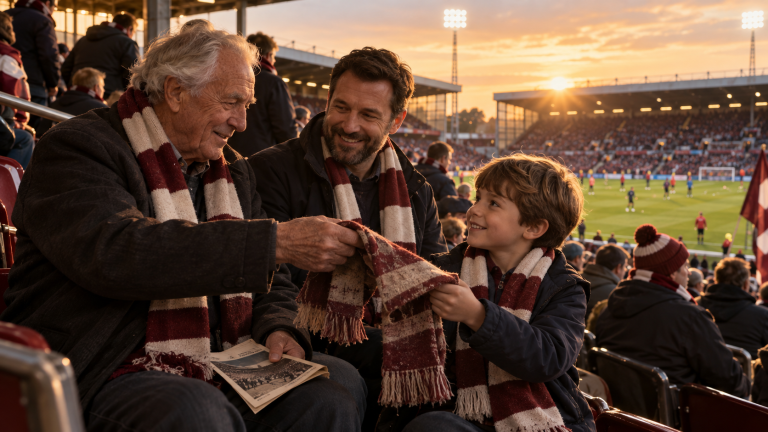
Swapping shirts is one of football’s most recognizable gestures of respect. Explore the history of this tradition, its meaning between opponents, and how match-worn shirts became treasured memorabilia.
The modern practice carries traces of several earlier eras. Its timeline stretches from Early international era, when players occasionally exchanged shirts as personal souvenirs after notable matches, to Modern club management, when some teams track kit use and allocate shirts under internal policies.
Written by: SwiftPeakX Editorial Team
Last editorial review: October 2026
Editorial note: This article was reviewed for topic-specific wording, historical clarity, source transparency and natural readability. References are listed at the end for verification and further reading.
Key Takeaways
Shirt swapping emerged as a gesture that turns an opponent’s jersey into a personal record of a shared match.
The ritual became especially visible in international football, where players met opponents they might rarely face again.
Match-worn shirts gained historical and commercial value as memorabilia markets expanded.
Modern clubs sometimes manage shirt distribution because kits are tracked, sponsored and operationally controlled.
Historical Foundations
The shirt swap is one of football’s most recognizable post-match rituals. Two opponents who have spent ninety minutes competing exchange the garments that identify them with rival teams. The gesture can signal respect, commemorate a special match, or simply preserve a souvenir from a fellow professional.
Famous exchanges have helped turn match-worn shirts into historical objects. International tournaments, debuts, finals, and meetings between celebrated players can make a shirt especially meaningful. Over time, collecting moved beyond private dressing rooms into museums, charity auctions, commercial memorabilia, and supporter culture.
The ritual is informal rather than mandatory, which is part of its appeal. Players may arrange swaps in advance, exchange shirts in the tunnel, or seek out a particular opponent after the whistle. Occasionally clubs or health protocols have discouraged the practice, showing that even traditions depend on practical circumstances.
A swapped shirt can exist simultaneously as a personal memory and a valuable object. Provenance—proof of who wore it and in which match—matters enormously. That commercial value can complicate the romantic image of a spontaneous exchange, but it does not erase the ritual’s meaning. At its core, swapping shirts acknowledges that opponents share a profession and a moment in football history, even when the match itself was fiercely contested.
Why opponents exchange something personal
A match shirt is worn during direct competition, so exchanging it transforms a symbol of rivalry into a sign of mutual recognition. Unlike an autograph, the object carries the physical traces and context of the match itself. That makes why opponents exchange something personal a genuine turning point in the wider story of Why Footballers Swap Shirts rather than a minor historical detail.
That makes the gesture especially powerful after international games, finals or meetings between admired players. The ritual communicates respect without requiring a formal ceremony.
The shirt as memory
Players often build private collections that record careers through opponents rather than trophies alone. A shirt can recall a debut, tournament, difficult duel or meeting with a childhood idol.
Because careers move quickly, physical objects help preserve moments that might otherwise blur together. The value is therefore emotional before it becomes financial.
Television turned a private act public
Cameras following players after the whistle made swapping part of the broadcast narrative. Supporters could see rivals embrace, exchange jerseys and leave the pitch with evidence of mutual respect.
That image can soften the antagonism of the previous ninety minutes. It also helped establish the exchange as an expected visual ritual of elite football.
Memorabilia changed the stakes
As collectors began paying large sums for verified match-worn shirts, provenance became essential. A jersey linked to a famous player or historic match can be valuable precisely because only a small number exist.
That commercial market creates incentives for authentication and documentation. It also changes how supporters interpret a swap: what was once only personal memory can now be a high-value asset.
Why clubs sometimes regulate swaps
Modern kit operations involve sponsors, shirt-printing, inventory and sometimes limits on how many jerseys a player may distribute. Clubs may need to know which shirts were match-worn, issued or retained for auction and charity.
The ritual has not disappeared, but it now sits inside a professional equipment system. That tension between spontaneity and logistics is typical of how football traditions adapt to commercialization.
Timeline: Key Turning Points
Period Development Why It Mattered
Early international era Players occasionally exchanged shirts as personal souvenirs after notable matches. The object carried a direct link to an opponent and occasion.
Post-war visibility Photography and television made post-match exchanges more visible. The ritual became recognizable to supporters.
Tournament culture World Cups and continental competitions increased high-profile exchanges. Rare meetings made the souvenir especially meaningful.
Memorabilia market Match-worn shirts became collectible and financially valuable. Authenticity and provenance began to matter.
Modern club management Some teams track kit use and allocate shirts under internal policies. A spontaneous ritual now coexists with sponsorship and equipment logistics.
Why This Still Matters
Shirt swapping sits in an unusual space between private respect and public performance. The exchange can mark rivalry, admiration, a final, an international fixture or simply a personal connection between players. Television made the ritual more visible, while collectors and museums gave some shirts historical value long after the match. Its meaning remains flexible, which is part of its appeal: unlike a formal trophy ceremony, the gesture can feel spontaneous even when everyone watching understands what it signifies.
The physical shirt gives the ritual unusual permanence. A handshake disappears when the moment ends, but a match-worn shirt can be kept, displayed, auctioned or passed through a family. That material afterlife helps explain why an apparently simple exchange can acquire historical and emotional value.
Common Misconceptions
Players have always swapped shirts after every match.
The practice became more visible and common over time; it was never a universal requirement.
Every match-worn shirt is automatically extremely valuable.
Value depends on player, match, provenance, rarity and collector demand.
A shirt swap means players were not competitive.
Respect after the whistle is compatible with intense competition during the match.
Related SwiftPeakX Reading
Goal Celebrations: How Scoring Became a Language of Emotion and Identity
Football Club Mottos: The Words That Define Identity, Ambition, and Tradition
Frequently Asked Questions
Why do players usually swap after the final whistle?
The competition is over, making the exchange a clear gesture of respect rather than a distraction from play.
Are swapped shirts washed before players keep them?
Practices vary; many collectors value the item specifically because it remains linked to the match as worn.
Can clubs stop players from giving shirts away?
Clubs can set internal equipment policies, although the exact rules differ between teams and competitions.
Why is provenance important for collectors?
A shirt’s historical and monetary value depends heavily on credible evidence that it was actually worn or issued for the claimed match.
A Private Exchange Became a Public Ritual
Early international era is the earliest point shown here. Players occasionally exchanged shirts as personal souvenirs after notable matches. The object carried a direct link to an opponent and occasion.
Post-war visibility shows the first major shift. Photography and television made post-match exchanges more visible. The ritual became recognizable to supporters.
Tournament culture adds a new layer to the story. World Cups and continental competitions increased high-profile exchanges. Rare meetings made the souvenir especially meaningful.
Memorabilia market marks a later phase in the transition. Match-worn shirts became collectible and financially valuable. Authenticity and provenance began to matter.
Modern club management brings the timeline into its latest phase. Some teams track kit use and allocate shirts under internal policies. A spontaneous ritual now coexists with sponsorship and equipment logistics.
What Changed—and What Stayed Recognizable
Comparing Early international era with Modern club management makes the scale of change in Why Footballers Swap Shirts easier to judge. Early in the story, players occasionally exchanged shirts as personal souvenirs after notable matches. The object carried a direct link to an opponent and occasion. By the later stage, some teams track kit use and allocate shirts under internal policies. A spontaneous ritual now coexists with sponsorship and equipment logistics. For Why Footballers Swap Shirts, that contrast matters because the modern practice inherited an older purpose even though the tools, expectations or institutions around it had changed.
One way to test that continuity is to revisit the misconception that players have always swapped shirts after every match. The practice became more visible and common over time; it was never a universal requirement. For Why Footballers Swap Shirts, correcting that misconception matters because it separates the enduring purpose from details that changed over time. For Why Footballers Swap Shirts,
The Bottom Line
Why Footballers Swap Shirts demonstrates that football traditions can be both durable and flexible. The early Early international era stage set one baseline, while Modern club management reflects the demands of a different era. The history matters because it reveals not only what changed, but why some changes lasted.
Sources & Further Reading
FIFA Museum
National Football Museum
FIFA — Football history and culture