A few words can carry generations of football identity. Discover how club mottos express ambition, tradition, civic pride, and memory—and why some slogans become far more powerful than branding.
A useful starting point is the original environment in which the practice took shape. The first entry, Founding era, shows that many clubs borrowed symbols, colors and phrases from local civic institutions or early club traditions. The final entry, Modern authenticity debate, shows that clubs increasingly distinguish inherited identity from newly invented slogans.
Written by: SwiftPeakX Editorial Team
Last editorial review: October 2026
Editorial note: This article was reviewed for topic-specific wording, historical clarity, source transparency and natural readability. References are listed at the end for verification and further reading.
Key Takeaways
Club mottos work because they condense a complex identity into a phrase supporters can repeat across generations.
Some mottos come from civic heraldry, founding traditions or local language rather than modern marketing departments.
The meaning of a motto grows through use on crests, stadiums, songs, merchandise and supporter culture.
A successful motto feels authentic only when club behavior and supporter memory reinforce the words.
Historical Foundations
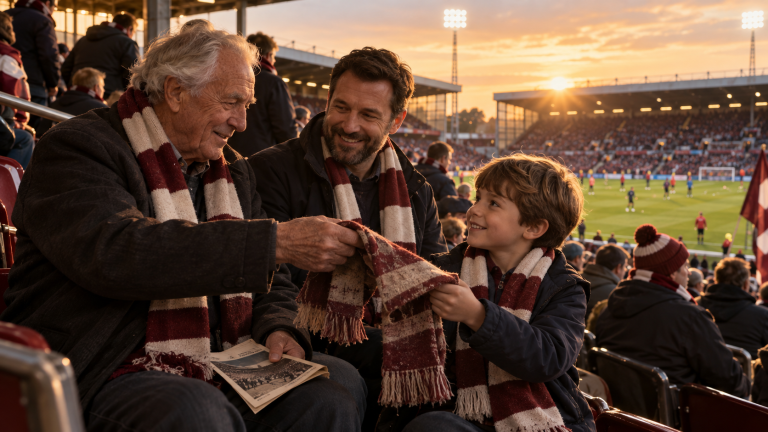
A club motto can be only a few words long yet carry decades of identity. Some appear on crests, stadium walls, scarves, or official documents. Others are informal phrases repeated by supporters. Their power comes less from literal meaning than from repetition across generations.
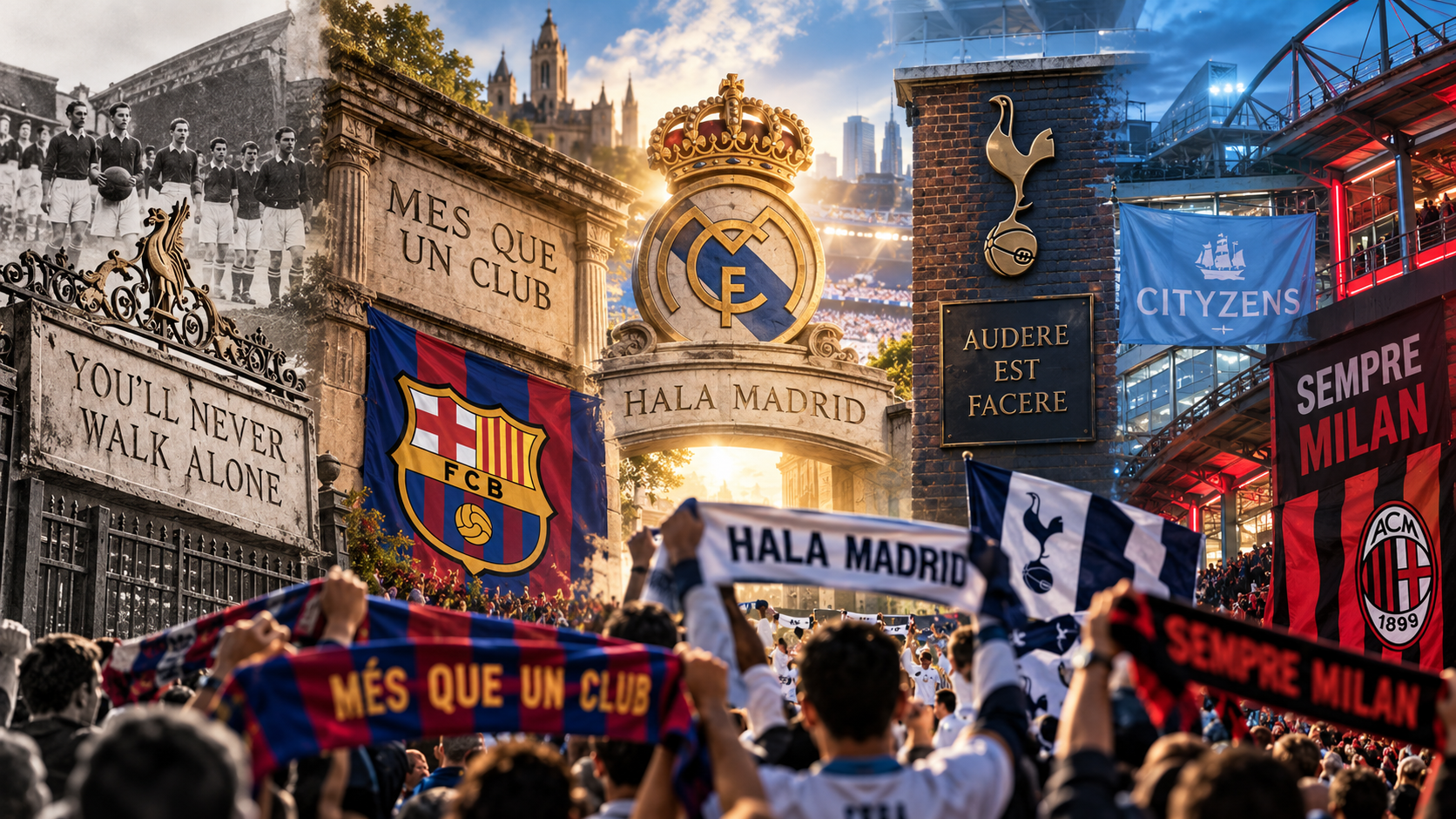
Mottos often draw on local history, civic pride, religion, industry, military language, or ideals such as unity and perseverance. In multilingual football cultures, Latin phrases can lend a sense of antiquity while local-language slogans create intimacy. A motto becomes a compact answer to the question: what does this club believe it represents?
The meaning can also change. A phrase coined in one era may acquire new associations after a famous comeback, tragedy, title, or supporter campaign. Commercial branding can amplify a motto, but marketing cannot fully control how fans interpret it.
Supporters can usually sense the difference between a phrase invented for a campaign and one embedded in club memory. A durable motto is reinforced by stories, songs, rituals, and shared experiences. It does not need to be unique in vocabulary; many clubs value courage, unity, or pride. What makes it distinctive is the history attached to those words and the community that keeps repeating them.
Why a few words can carry so much
A motto is memorable because it reduces a broad story into language that can be repeated easily. The phrase becomes powerful only when supporters connect it with matches, family traditions and the place the club represents.
That emotional accumulation cannot be created instantly by a branding exercise. The words matter because people attach lived experience to them.
Local language and civic identity
Some club phrases draw on a city’s heraldry, regional language or historical institutions, which gives them meaning beyond sport. A motto can signal that the club belongs to a particular place even when its players and supporters are internationally diverse. That makes local language and civic identity a genuine turning point in the wider story of Football Club Mottos rather than a minor historical detail.
That local anchor becomes especially valuable as elite football globalizes. It lets a worldwide fanbase engage with an identity that still claims a specific origin.
The crest turns language into an object
When a motto appears on a badge, stadium facade or official document, it becomes part of the club’s visual memory. Supporters encounter the same wording repeatedly from childhood, which strengthens recognition.
Removing or redesigning it can therefore trigger resistance that seems disproportionate to a few words. The reaction makes sense once the motto is understood as inherited property rather than decorative copy.
Motto versus marketing slogan
A campaign slogan is usually designed for a season, product or strategic message; a motto claims something more permanent about identity. Problems arise when clubs try to manufacture heritage through language that supporters do not recognize as their own.
Authenticity is not guaranteed by age, but continuity gives supporters time to invest meaning. The strongest phrases survive because fans use them voluntarily, not because a social-media calendar requires them.
How mottos travel globally
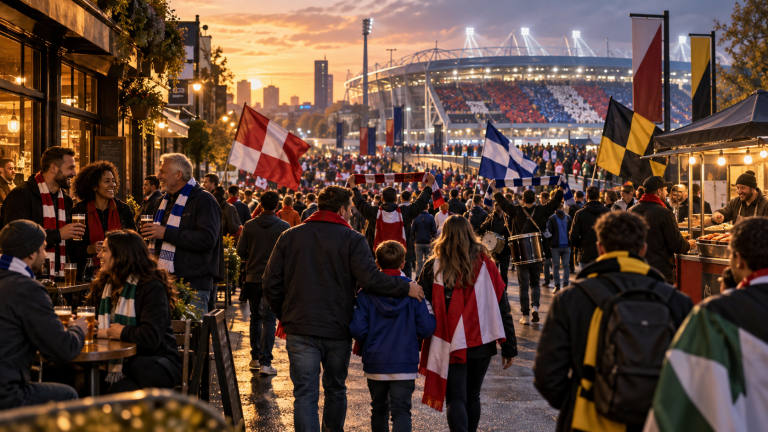
International supporters may first encounter a club through broadcasts or digital media, yet mottos provide a compact entry point into deeper history. Translated or untranslated, the phrase can become part of fan vocabulary far from the city where it began.
Global use can strengthen the motto while also simplifying its original context. Good editorial storytelling should therefore explain where a phrase came from rather than treating it as a logo caption.
Timeline: Key Turning Points
Period Development Why It Mattered
Founding era Many clubs borrowed symbols, colors and phrases from local civic institutions or early club traditions. Identity was tied closely to place.
Crest development Mottos became incorporated into badges and official visual identity. Words gained permanence through repeated display.
Mass-support era Terraces, programmes and merchandise spread club language to larger audiences. Supporters helped turn official phrases into lived culture.
Global branding era Historic mottos reached international fanbases through media and retail. Local phrases could become global identity markers.
Modern authenticity debate Clubs increasingly distinguish inherited identity from newly invented slogans. Supporters often judge wording by whether it feels earned rather than polished.
Why This Still Matters
A motto becomes durable when supporters can attach real memories to it. The phrase may come from civic heraldry, Latin tradition, a local language or a club’s founding values, but repetition alone is not enough. It gains weight when it appears during moments of triumph, crisis and continuity. That is also why a slogan invented by a marketing campaign can struggle to achieve the same status. Clubs can print words on a badge; communities decide whether those words become inherited identity.
Common Misconceptions
Every club motto was created at the club’s founding.
Many phrases were adopted later or drew on older civic and cultural traditions.
A motto is the same thing as a marketing slogan.
A motto usually claims durable identity, while campaign slogans are often temporary and commercial.
Global popularity weakens local meaning automatically.
A phrase can travel widely while still retaining its connection to a city, language or founding tradition.
Related SwiftPeakX Reading
Goal Celebrations: How Scoring Became a Language of Emotion and Identity
Frequently Asked Questions
Why do some clubs use Latin or regional languages in mottos?
The wording may come from civic heraldry, historical institutions or local linguistic identity.
Can a club change its motto?
Yes, but changes can be sensitive because supporters may treat long-standing wording as part of inherited identity.
Why are mottos often displayed on crests?
A crest is a durable identity marker, so adding a motto binds the phrase to the club’s visual symbolism.
What makes a football motto feel authentic?
Long-term use, clear historical roots and alignment between the words and how supporters understand the club all help.
Why Mottos Outlive Marketing Campaigns
First comes Founding era. Many clubs borrowed symbols, colors and phrases from local civic institutions or early club traditions. Identity was tied closely to place.
Then comes Crest development. Mottos became incorporated into badges and official visual identity. Words gained permanence through repeated display.
Another important entry is Mass-support era. Terraces, programmes and merchandise spread club language to larger audiences. Supporters helped turn official phrases into lived culture.
The next major step appears under Global branding era. Historic mottos reached international fanbases through media and retail. Local phrases could become global identity markers.
The final entry is Modern authenticity debate. Clubs increasingly distinguish inherited identity from newly invented slogans. Supporters often judge wording by whether it feels earned rather than polished.
What Changed—and What Stayed Recognizable
Comparing Founding era with Modern authenticity debate makes the scale of change in Football Club Mottos easier to judge. Early in the story, many clubs borrowed symbols, colors and phrases from local civic institutions or early club traditions. Identity was tied closely to place. By the later stage, clubs increasingly distinguish inherited identity from newly invented slogans. Supporters often judge wording by whether it feels earned rather than polished. For Football Club Mottos, that contrast matters because the modern practice inherited an older purpose even though the tools, expectations or institutions around it had changed.
One way to test that continuity is to revisit the misconception that every club motto was created at the club’s founding. Many phrases were adopted later or drew on older civic and cultural traditions. For Football Club Mottos, correcting that misconception matters because it separates the enduring purpose from details that changed over time. For Football Club Mottos,
The Bottom Line
There is no single moment that created the modern form of Football Club Mottos. The timeline begins with Founding era: many clubs borrowed symbols, colors and phrases from local civic institutions or early club traditions. It ends with Modern authenticity debate: clubs increasingly distinguish inherited identity from newly invented slogans. The path between them makes present-day arguments easier to evaluate because it shows which problems each change was meant to address.
Sources & Further Reading
FIFA Museum — Football culture
UEFA — Club and supporter stories
National Football Museum