Why Football Introduced Yellow and Red Cards

Referee showing a yellow card while holding a red card during a football match in a packed stadium

Yellow and red cards gave football a visual disciplinary language that players and supporters could understand across language barriers. From Ken Aston’s traffic-light idea after the 1966 World Cup to their introduction in 1970, modern Law 12, and VAR, this article explains why football adopted the card system and why it still works.

How the Goalkeeper Evolved From Shot-Stopper to Playmaker

Modern goalkeeper controlling the ball outside the penalty area while scanning passing options under pressure in a packed stadium

The goalkeeper has evolved from a specialist shot-stopper into a key part of modern build-up play. From the creation of the position and the 1992 back-pass law to sweeper-keepers, distribution, high defensive lines, and today’s eight-second rule, this article traces how goalkeeping became one of football’s most demanding roles.

How International Football Competitions Shaped the Modern Game

Football supporters from different countries holding national flags inside a packed stadium before an international match

International competitions transformed football from a collection of domestic traditions into a truly global game. From the first Scotland–England international and the birth of the World Cup to continental championships, broadcasting, tactical exchange, and national identity, this article explores how tournaments reshaped modern football.

How Television Changed Football Forever

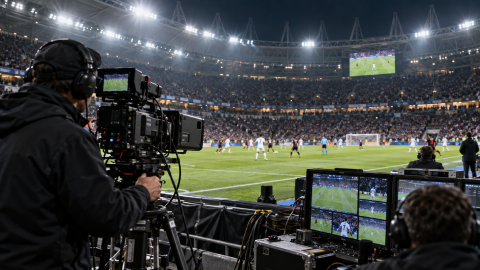
Television broadcast crew filming a football match with professional cameras and production monitors inside a packed stadium

Television transformed football from a stadium experience into a global media phenomenon. From early BBC broadcasts and Match of the Day to Premier League rights, replays, changing kick-off times, and worldwide fandom, this article explores how the screen reshaped the game.